The moment you tell a kid there will be a bounce house at their party, you’ve already won the day. The trick is getting that squeal-inducing inflatable without torching the budget or trading safety for savings. After fifteen years planning neighborhood block parties, school carnivals, and more birthday extravaganzas than I can count, I’ve learned how to work the numbers, vet vendors quickly, and still deliver a backyard scene that looks like a million bucks.
What follows is a practical guide for renting inflatable bounce castles and their cousins on a realistic budget. We’ll talk money, timing, safety, setup, and how to negotiate without being a pest. We’ll also cover when to choose water slide rentals, indoor bounce house rentals, and extras like inflatable obstacle courses or combo bounce house rentals. The goal is simple: spend less, get more, and keep the kids happily exhausted by pick-up time.
Pricing isn’t random, even if it looks that way
Prices vary for inflatable rentals, but there’s a logic behind the spread. Most companies set rates based on size, theme, and rental duration. A basic birthday party bounce house might run 120 to 220 dollars for a standard 4 to 6 hour window in many suburban markets. A large inflatable slide or themed bounce house rental can hit 250 to 450 dollars. Big-ticket items like inflatable obstacle courses, multi-lane inflatable slide rentals, or full-fledged combo units with climb walls and hoops often land between 300 and 650 dollars, depending on height and footprint. Add-ons such as attendants, generators, or overnight drop-off bump the price.
Delivery zone fees and setup complexity also matter. If you’re outside the primary service area by more than 10 to 15 miles, expect a delivery surcharge. Tight side gates, steep slopes, or long distances from the driveway to the backyard can also increase labor time and cost. Vendors don’t love surprises at arrival, so the more https://www.allfunbouncinginflatables.com/category/obstacle-courses/ information you share on the front end, the easier it is to keep fees predictable.
The trade-off triangle: size, features, and time
When budgets are tight, you have three levers to pull. Shrink the unit size, simplify the feature set, or reduce the rental window. You don’t have to yank all three. Play with the mix.
Anecdote from real events: I once booked a 13-by-13 generic bounce house for a preschool party in a small city yard. The kids were between 3 and 5. No slide, no theme, just a cheerful castle. It cost 145 dollars for 5 hours. Eight kids were entertained the entire time, zero crowding, zero tears. The following weekend, a neighbor rented a towering combo bounce house with a single slide for 325 dollars. The kids were 8 to 10, and the added features made sense for the age, but we could have trimmed an hour and shaved 30 to 50 dollars with no real loss of fun.
If you expect a steady stream of guests over a long day, negotiate a slightly longer window rather than upgrading the unit. If it’s a short, intense party with a fixed guest list, a smaller unit at prime time often beats a deluxe package with a half-empty bounce floor.
Book like a pro: timing and negotiation
The best way to save on bounce house rental costs is to book early and flex on delivery. Peak times are predictable: spring weekends through early fall, holiday Sundays, and school break weeks. Saturday late morning to late afternoon is the bull’s‑eye. If you can accept a wider delivery window or a Friday evening drop with Sunday morning pickup, you can sometimes shave 10 to 20 percent. Many companies prefer fewer trips and will discount multi-day or flexible schedules, especially if demand dips due to weather forecasts.
I’ve had success with a friendly script: ask the vendor what they have available in your size range for your date, then ask if there’s a price break for off-peak drop-off or pickup. Mention a competing quote if you have one, but do it respectfully. The best operators will match if they can, and they’ll tell you when they can’t. If the difference is small and the operator has cleaner units or better safety practices, pay the small premium. Reliability is cheap insurance.
Where to find real value among party inflatables
Look at three buckets: basics, combos, and specials. Basic inflatable bounce castles, the ones with a single jump area and mesh walls, are the workhorses. Combos add a small slide, climb, or hoop. Specials include inflatable obstacle courses, tall inflatable slide rentals, and water slide rentals. Specials headline a big party, but they eat a bigger slice of the budget.
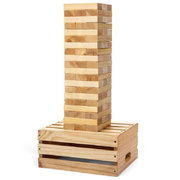
If you’re entertaining kids under 6, toddler bounce house rentals or low-profile combos make more sense than tall slides. They’re safer, often cheaper, and kids that age rarely tire of a simple bounce and crawl setup. For mixed-age parties, a basic bounce house plus one yard game like giant Jenga or corn hole spreads the fun without inflating the invoice. Many companies that offer party equipment rentals will bundle games, tables, chairs, and even generators. Bundles can shave 10 to 25 percent if you ask.
For school carnivals and block parties, inflatable obstacle courses shine because they keep lines moving and create a natural loop of play. They cost more up front, but throughput reduces wait times and increases satisfaction. If your event entertainment rentals budget is fixed, swap one large obstacle course for two smaller units placed apart. The effect feels bigger than the price tag suggests.
Safety isn’t optional, even on a budget
Saving money should never mean cutting safety corners. Vet the vendor the way you’d vet a babysitter. Ask about insurance, state or municipal permits, and cleaning protocols. Many reputable companies clean and sanitize after each rental, especially for indoor bounce house rentals where airflow is limited. You want to hear specific cleaning agents or a consistent sanitizing routine, not a vague “we clean them.” For anchors, the standard is heavy stakes on grass and sandbags on asphalt or patios. On windy days, the right call is sometimes to reschedule, even if it’s inconvenient. Most operators follow a wind cutoff around 15 to 20 miles per hour for standard units. If a vendor shrugs off wind limits, find another.
Set capacity rules based on size and age. For a 13-by-13 basic castle, eight little kids or four bigger kids is the upper limit. Shoes off, necklaces and sharp hair clips off, and no flips with mixed ages. An attendant isn’t always required, but one responsible adult should watch the entrance. A rotation plan saves both knees and tempers.
How to choose the right size without overpaying
You can estimate by guest age and yard space. A typical suburban yard handles a 13-by-13 or 15-by-15 unit comfortably with room to walk around and set a safe perimeter. If your yard narrows near the gate, measure the tightest point. Many units arrive on hand trucks and need 3 feet of clearance minimum, sometimes more for larger slides. If a vendor can’t get through, they’ll turn around and charge a fee. I’ve seen a perfectly planned party derailed by a 30-inch garden gate.
For guests under 6, a compact toddler bounce house rental with soft features and low walls offers the best value. For ages 6 to 10, a 13-by-13 or a small combo is plenty. For tweens and teens, taller slides or obstacle courses finally make sense. If the crowd is mixed, schedule play blocks by age. Little kids first, bigger kids later. That’s a free upgrade to safety and sanity.
Theme or no theme: when it’s worth it
Themed bounce house rentals, with printed panels or shaped turrets, take photos from cute to unforgettable. They also cost 20 to 60 dollars more in many markets. If the party has a narrow theme and your kid lives for it, spend the extra if it’s within budget. If your theme is more flexible, bring color through balloons, a banner, or a dessert table. You can drape a basic castle with a couple of garlands and a custom sign for less than the theme premium and still get the effect you want in photos.
Combo units with neutral colors are handy if you’re planning multiple events across a season. Rent a neutral combo now and reuse the decor for different birthdays or school events. Vendors sometimes offer loyalty discounts after the second booking. Ask.
Water slide rentals and weather calculus
Water slides are magnetic in hot weather. They also bring hoses, splash zones, and utility bills. If your city has tiered water pricing, the extra usage for a 4 to 6 hour event is usually modest, but it isn’t zero. Many slides recirculate to some degree, though you’ll still top up. Place the slide where water runoff won’t turn a path into a mud trench. A tarp at the exit can save your lawn.
Plan for weather. If temps are under 70, the slide turns into an energy drain for kids and a misery factory for parents holding towels. In that case, consider an inflatable slide without water or a standard bounce with a foam machine add-on, which uses less water and still feels special. A no-cost backup plan is to run the slide dry and rebrand it as a climb-and-slide unit. Kids adapt faster than adults.
Where vendors hide the real value
The budget-friendly operators aren’t always the cheapest. They’re the ones who communicate clearly, show up on time, and bring clean, well-maintained units. That reliability saves you from last-minute scrambles that force expensive substitutions. Read recent reviews. Look for consistent mentions of punctuality and cleanliness rather than a single glowing paragraph.
Ask about weekday pricing. A Tuesday afternoon block party can cost 20 to 30 percent less than Saturday prime time. If your child’s birthday falls midweek, do cake the day of and the inflatable party on a Friday evening with a flexible drop. I’ve had vendors drop Friday noon and pick Sunday morning at the same price as a standard Saturday block simply because their trucks were already routed in the area.
If you’re organizing multiple kids party rentals across a season, bundle and pre-book. For example, secure a bounce castle for a May birthday, an inflatable slide for July, and a small obstacle course for a September school fundraiser with the same company. Ask for a seasonal package rate. You’ll get better equipment priority and meaningful savings.
What to do yourself and what to leave to the pros
I love a DIY project, but there’s a line. Setup and anchoring are not for first-timers. Liability and safety standards exist for a reason. Where you can save is in site prep and extras. Clear the yard the day before. Mow and pick up twigs, pet waste, and toys. Mark sprinkler heads with flags so the crew doesn’t stake through them. Move patio furniture and plan the power route so cords aren’t a tripping hazard.
Skip the vendor’s snack add-ons like cotton candy or popcorn unless you need the convenience. A backyard cooler with drinks and a simple snack table beats upsells in both cost and speed. The exception: if you’re already renting a generator, ask if a concession bundle can share power and reduce the generator cost. Sometimes the math works.
Hidden costs that ambush first-time renters
A few charges surprise people. Delivery beyond a set radius is common. Stairs are a wildcard. If the crew has to haul a 200 to 400 pound rolled inflatable up several steps, expect a surcharge. If you don’t have outdoor power near the setup area, you may need a generator. A typical blower draws 7 to 12 amps, and bigger slides may use two blowers. Household circuits can handle a single blower easily, but long extension runs or a second blower can trip breakers. Ask the vendor to specify power needs and bring their own heavy-gauge cords. A bad extension cord can overheat and fail mid-party.
Cleanup fees are rare but exist. If the unit comes back soaked in sticky drink or confetti, some companies charge. The same goes for set-ups on gravel or coarse surfaces that cause scuffs or pinholes. A ground tarp is non-negotiable in those cases.
When indoor bounce house rentals make sense
Indoor setups solve weather and lawn damage, and they work well for winter birthdays or apartment communities with access to a clubhouse. Measure ceiling height carefully. A standard indoor-friendly unit is shorter, often 8 to 10 feet tall, and designed for younger kids. Check if the venue has dedicated circuits. Noise matters indoors, so ask for quieter blowers if available. Many companies have them and will bring them if you ask.
Venue policies sometimes require a certificate of insurance naming the venue. Get that request in early. A good operator can send it within a day.
Small touches that stretch your budget
Parents remember great flow more than great gear. You can stage the day so the inflatable carries most of the fun without needing pricey extras. Open play at arrival. A snack break and water station at the 40‑minute mark. A group photo while kids are still bright-eyed. Cake, then a final burst of jumping. End with a calm activity like tattoos or a craft while the vendor deflates and rolls. That rhythm turns a basic bounce house into a full program at no extra cost.
Decor also stretches far with a few tricks. Two balloon clusters in your party colors, a banner near the entrance, and one focal table. The inflatable becomes the backdrop rather than the only showpiece. You’ll take better photos, which is the budget-friendly souvenir you keep.
A simple comparison to pick the right inflatable for your event
- If your guests are mostly toddlers and preschoolers, choose toddler bounce house rentals or small birthday party bounce houses with soft features, and schedule shorter play bursts. For mixed ages at a backyard party, pick a standard bounce plus one low-cost yard game rather than an expensive obstacle course. For midsize school or church events, book inflatable obstacle courses to keep lines moving, and supplement with one basic bounce for younger kids. Hot summer birthdays do well with water slide rentals if you have space and a good drainage plan. In cooler months, a dry slide or a combo unit offers similar excitement with less risk of shivers and towels. If you need to economize hard, target a Friday drop with Sunday pickup, bundle tables and chairs through the same party equipment rentals provider, and choose a neutral, non-themed unit.
Case notes from real parties
One backyard event with 22 kids, ages 4 to 9, looked expensive on paper. The parents wanted a princess theme and a slide. We priced a large themed combo at 355 dollars plus delivery, which strained the budget. We shifted strategy. We booked a clean, neutral 15-by-15 bounce for 195 dollars, added a separate small inflatable slide for 120 dollars at a weekday rate, and spent 40 dollars on themed banners and two balloon clusters. The kids self-sorted by age between the bounce and the slide, lines stayed short, and the party looked on-theme in every photo. Total spent: 355 dollars including decor, the same as the single themed combo, with better flow.
At a school field day, we had 300 students rotating in 30-minute blocks. One 60-foot obstacle course at 525 dollars beat two small bounces in both throughput and excitement. We set cones to create a start and finish and stationed two volunteers to manage lines. Even with the higher cost, the value per kid was excellent, and the event ran on time.
For a winter apartment clubhouse party, the organizer secured indoor bounce house rentals with a compact slide unit at 225 dollars for 4 hours. Ceiling height was 11 feet. The vendor brought quieter blowers and two long commercial mats for entry and exit, which mattered on polished floors. The kids ran hot, so we brought extra water and kept the doors cracked between sessions. You could hear happy thumps, not roaring fans.
How to screen vendors in five minutes
Use party rentals this quick, budget-friendly filter before you book:
- Ask for current insurance and whether they can provide a certificate naming your venue, if needed. Confirm delivery window, setup requirements, and exact power needs. Get it in writing. Request photos of the actual unit, not catalog images, and ask about the last cleaning date. Ask about weather policy and wind limits, plus reschedule options. Clarity here saves money and stress. Compare the total out-the-door price, including delivery, taxes, and any potential fees for terrain, stairs, or late pickup.
A company that answers fast, speaks plainly, and itemizes costs is usually a safe bet. If communication is choppy before you pay, it won’t improve later.
Renting versus buying for frequent hosts
If you throw multiple parties a year, it’s tempting to buy a consumer-grade inflatable. A decent backyard-sized unit costs 250 to 500 dollars, which looks like a bargain after two rentals. Here’s the catch. Storage, cleaning, repair, and liability land on you. Consumer blowers are noisier and less durable, and the units don’t anchor as securely as commercial ones. For casual family fun, owning makes sense. For events with guests, rentals remain the smarter choice. Pros bring commercial-grade vinyl, proper anchors, and trained setup. They also shoulder the risk if something fails.
There is a hybrid option. Some vendors offer loyalty programs or off-season deals on used commercial units. If you have a dedicated storage space and host big events monthly, used commercial gear can pay off. But factor repairs and safety training into your calculus. Most families do better with inflatable rentals, not ownership.
The art of the add-on, without overspending
It’s easy to get upsold on foam cannons, dunk tanks, and concession carts. Fun, yes. Necessary, no. Set a pre-call budget ceiling and stick to it. If you do want one upgrade, make it a combo bounce house rental when your guests skew older than 6. The slide keeps interest high without doubling cost. For younger kids, spend that same money on shade tents and cold drinks. Comfort stretches playtime.
If you’re hosting at a park, ask if the vendor can handle permitting or proof of insurance for you. Sometimes there’s a small handling fee. It beats a morning spent chasing signatures.
A quick plan you can copy for a budget-friendly, high-fun party
Here’s a schedule template that keeps costs down and energy high.
- Book a standard 13-by-13 bounce house with a 4 to 5 hour window, flexible delivery. Request a clean, neutral unit. Add a ground tarp and bring your own extension cord only if it meets the vendor’s specs. Prep the yard the day before. Measure the gate, flag sprinklers, clear pathways. Set a table with water and snacks near, not on, the entry. Designate a watcher at the entrance and set age rotations. Announce a snack break at 40 minutes, cake at 90 minutes, and a final bounce session after cake. Keep decor simple: two balloon bunches, one banner, a tidy cake table. The inflatable is the backdrop. Confirm pickup time and leave a clear path for the crew. Snap a last photo after deflation for your scrapbook.
This template handles 8 to 16 kids easily, scales up with a second unit if needed, and avoids pricey extras.
Final thoughts from the field
Great parties are about flow, not flash. The right inflatable in the right place, run on a sensible schedule, beats the fanciest theme when the budget is tight. Start with guest ages, measure your space, and pick a size that fits. Ask for flexibility on delivery to save. Bundle only what you truly need. Hold the line on safety and cleanliness. Do the small prep tasks that vendors appreciate, and they often return the favor with a little extra time or kinder pricing.
You won’t remember the exact dimensions of the castle a year from now. You’ll remember the photo of your kid midair with cheeks pink and eyes wide. That memory doesn’t require the biggest inflatable on the lot. It requires a clean, safe setup, a few smart choices, and the confidence to skip the upsells. Spend where it counts, save where it doesn’t, and let the jumping do the heavy lifting.